Torn between a sleek condo and a house‑like townhome in Little Italy? You are not alone. In this dense, highly walkable San Diego neighborhood, the right choice comes down to how you want to live, what you want to pay each month, and which tradeoffs you are willing to accept. In this guide, you will learn how condos and townhomes compare on HOA dues, parking and storage, amenities, noise, short‑term rental rules, and resale potential so you can buy with confidence. Let’s dive in.
Little Italy lifestyle in a snapshot
Little Italy is urban, lively, and convenient. You are steps from restaurants, cafes, and the weekend Mercato farmers’ market, with frequent neighborhood events that add energy and community. For a feel of the area’s rhythm, explore the Little Italy Association for event calendars and neighborhood context.
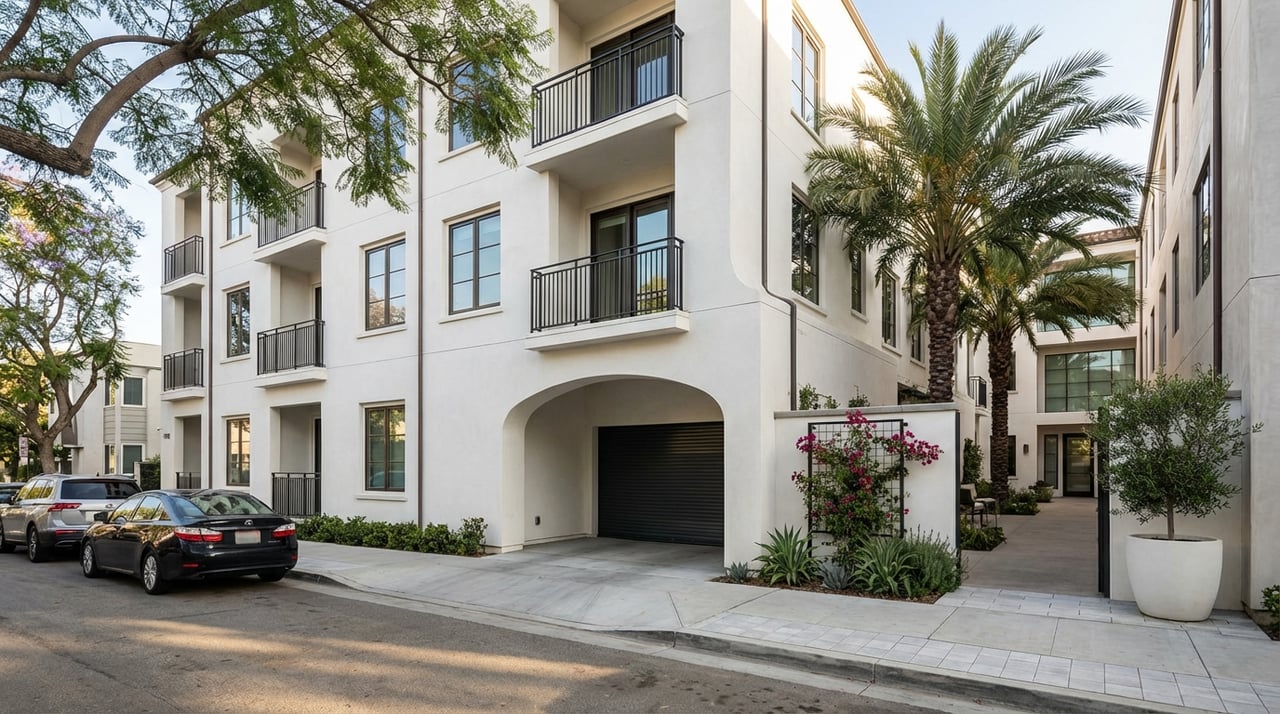
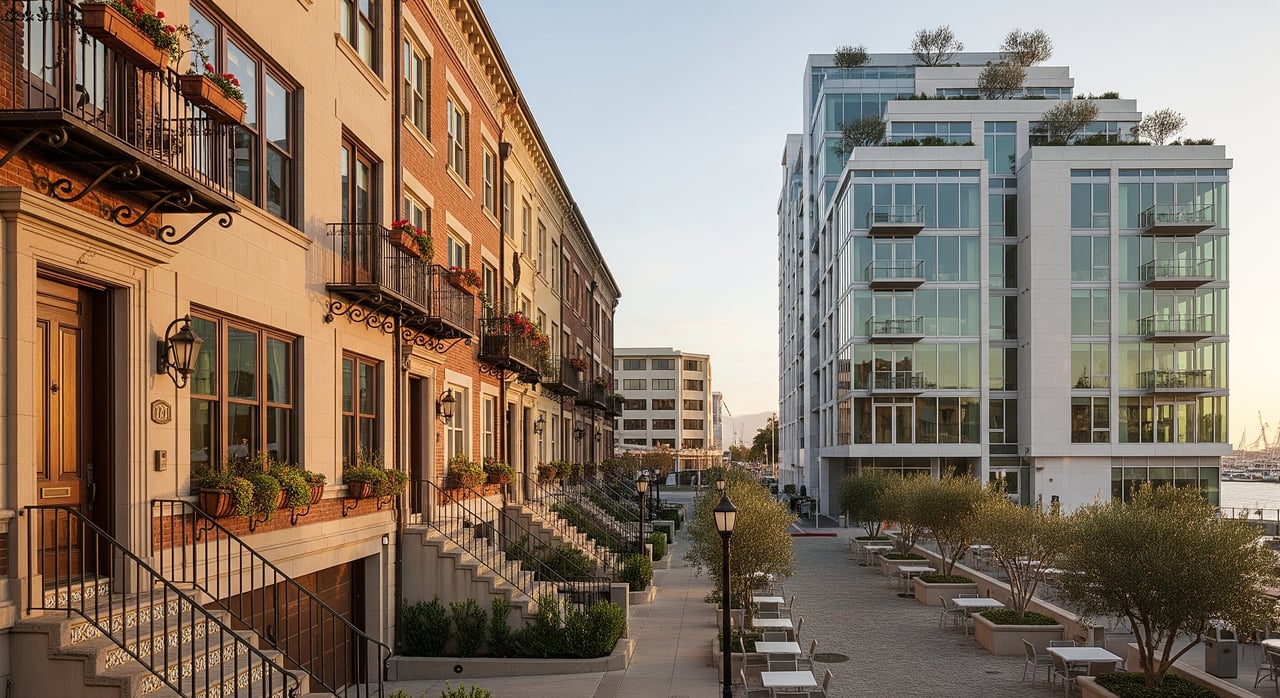
Most homes here are mid‑ to high‑rise condominiums with shared corridors and amenities. There are also some low‑rise townhomes with private entries and a more house‑like feel. The location supports car‑light living, but parking varies by building and should not be assumed.
Costs and HOA dues to expect
Downtown monthly costs vary widely. Your budget should include HOA dues, insurance, utilities, parking, and any special assessments.
What drives HOA dues
- Amenity level. Buildings with gyms, pools, lounges, and concierge services tend to have higher dues.
- Staffing and insurance. Lobby staff and higher master policy costs increase monthly dues.
- Building scale and age. Fewer units sharing fixed costs or older systems can push dues higher.
In downtown San Diego, dues can range from the low hundreds to the high hundreds or more per month depending on building age and amenities. Always compare dues alongside what they cover.
Special assessments and reserves
Older buildings may face near‑term capital projects like elevator, roof, or piping work. That can lead to special assessments. Healthy reserves help minimize surprises. Ask for the current budget, reserve study, income and expense statements, dues increase history, and recent meeting minutes that discuss upcoming projects.
Insurance, utilities, and taxes
- Condos usually carry an HOA master insurance policy for common areas. You will likely carry HO‑6 coverage for the interior.
- Townhome insurance needs vary by CC&Rs and what the HOA insures. Verify your responsibilities before binding coverage.
- Some HOAs include water, trash, or gas in dues. Others bill separately. Clarify what is included.
- Property taxes are based on assessed value regardless of product type.
For general HOA guidance in California, review the California Department of Real Estate’s consumer publications on common interest developments and the Davis‑Stirling Act in the California Civil Code.
Financing and project approval
Some condo projects do not meet lender requirements due to owner‑occupancy ratios, insurance, delinquent dues, or litigation. That can reduce the buyer pool and impact pricing. If you plan to finance, confirm project eligibility early using resources like Fannie Mae condo and co‑op project eligibility and HUD’s FHA condominium guidance.
Parking and storage comparisons
Condos: check allocations carefully
- Most Little Italy condos include at least one assigned space, but some do not. Do not assume.
- Deeded parking, storage rooms, and bike storage are valuable for daily life and resale.
- Guest parking varies by building and is often limited.
Townhomes: more private options
- Townhomes commonly include private garages or dedicated off‑street parking.
- Internal storage is often better with garage or attic space.
Street parking realities
Little Italy has metered and time‑limited curb parking with some permit zones. Street parking should not be your backup plan unless you verify availability during peak times.
Amenities, noise, and privacy
Amenities and access
- Condos often deliver higher‑end amenities like gyms, pools, package rooms, and concierge services. These are convenient and reduce private maintenance.
- Townhomes may offer fewer shared amenities but more private indoor and outdoor space.
Noise exposure and privacy
- Expect more foot traffic and event noise near restaurants, the farmers’ market, and nightlife corridors.
- In condos, shared walls and ceilings can increase noise transfer unless the building has strong acoustic separation. Townhomes often have fewer vertical neighbors and private entries, which some buyers prefer.
- Newer construction can offer better sound mitigation and thicker glazing. Unit orientation matters. Interior courtyard or higher‑floor units can reduce street noise.
Tip: Visit prospective homes at different times, including a weeknight and a Saturday morning during the market, to gauge noise and foot traffic.
Short‑term rental rules you must know
San Diego requires registration and tax compliance for short‑term rentals.
- The city has a short‑term rental registration program. Review the current short‑term rental registration rules.
- Operators must collect and remit Transient Occupancy Tax. See the city’s Transient Occupancy Tax guidance.
- Many HOAs restrict or prohibit short‑term rentals through CC&Rs and rules. HOA limits can be stricter than city rules and are enforceable.
- Financing can be affected if a project has high investor or STR usage. This may impact your resale pool.
If income is part of your plan, confirm minimum lease terms, registration requirements, and enforcement history in the HOA documents before you write an offer.
Resale dynamics to consider
Who tends to buy what
- Condos attract a broad mix of downsizers, young professionals, first‑time buyers, and investors seeking rental potential. Sensitivity to monthly dues, views, floor level, and parking is high.
- Townhomes appeal to buyers seeking more space, a private entry, garage parking, and a more house‑like feel while staying walkable. The buyer pool is smaller but often highly motivated.
What drives value in both
- Deeded parking and storage, healthy reserves, no major litigation, and reasonable dues relative to peers.
- For condos: building reputation, age and condition of major systems, and investor or STR concentration.
- For townhomes: quality private outdoor space, garage condition, and separation from the busiest commercial activity.
Liquidity and pricing
Downtown condos usually have more inventory and faster turnover than the limited townhome stock. Unique townhomes with garage and outdoor space can sell quickly to a focused buyer pool. Projects with high dues or a history of assessments may face softer demand.
Decision guide: which fits your priorities
Match your top priorities to the likely better fit.
- You want low maintenance, elevator access, and shared amenities. A condo is likely your best match.
- You want a private entry, garage parking, and extra storage. A townhome may fit better.
- You plan to leverage rental or STR income. A condo could offer stronger demand, but verify city registration, tax rules, and HOA restrictions first.
Buyer checklist for Little Italy
Gather answers and documents early to avoid surprises.
- HOA health
- Current budget and latest reserve study
- 6 to 12 months of meeting minutes
- Dues increase history and any planned special assessments
- Master insurance certificate and deductible levels
- Rules on rentals, STRs, pets, parking, and package delivery
- Unit specifics
- Deeded vs assigned parking and number of spaces
- Deeded storage and bike room access
- Utility structure and what dues include
- HVAC ownership and maintenance responsibilities
- Balcony, patio, or deck exclusivity
- Project and financing
- Any pending litigation or significant insurance claims
- Owner‑occupancy percentage and rental counts
- Delinquency rate on dues
- Conventional and FHA project eligibility with your lender
- Neighborhood fit
- Noise and foot traffic at different times of day
- Proximity to restaurants, transit, and weekend events
- STR compliance
- City registration and TOT requirements
- HOA enforcement history regarding rentals and STRs
Ready to compare properties together?
You do not have to navigate these tradeoffs alone. If you want a clear, side‑by‑side view of specific buildings, HOA health, and financing options in Little Italy, reach out. I will help you gather documents, pressure‑test assumptions, and negotiate for your goals. Schedule a free consultation with Gabriela Santiago. Hablo español.
FAQs
How do HOA dues in Little Italy typically compare?
- Dues vary widely based on amenities and building age, ranging from the low hundreds to the high hundreds or more per month. Always review the current budget and reserve study.
Will my Little Italy condo or townhome include deeded parking?
- It depends on the specific unit and project. Confirm whether spaces are deeded or assigned and how many are included before making an offer.
Are condos noisier than townhomes in Little Italy?
- Noise depends on unit orientation, construction quality, and proximity to busy streets or events. Visit at multiple times to gauge real‑world noise levels.
Can I legally operate a short‑term rental in Little Italy?
- You must follow city registration and TOT rules, and your HOA may restrict or prohibit STRs. HOA rules control even if the city allows STRs.
How do special assessments affect resale value downtown?
- Large or unexpected assessments can reduce buyer demand. Check meeting minutes and the reserve study to spot upcoming projects and funding gaps.
Will lenders finance units in my target building?
- Not all condo projects meet lender standards. Verify project eligibility with your lender upfront to understand your financing options and the likely buyer pool at resale.