
Thinking about buying in Rancho Bernardo and wondering how HOAs will affect your budget and day-to-day life? You’re not alone. Many homes here sit inside master-planned communities or condo and townhome developments, and each HOA runs a little differently. In this guide, you’ll learn what fees typically cover, how much to budget, what rules and disclosures to review, and how HOAs impact financing and resale. Let’s dive in.
Rancho Bernardo HOA basics
Rancho Bernardo is a large, mostly residential area in northern San Diego with multiple master-planned neighborhoods. You’ll find a mix of single-family homes, townhomes, and condos. Some communities offer resort-style amenities, and some are age-restricted.
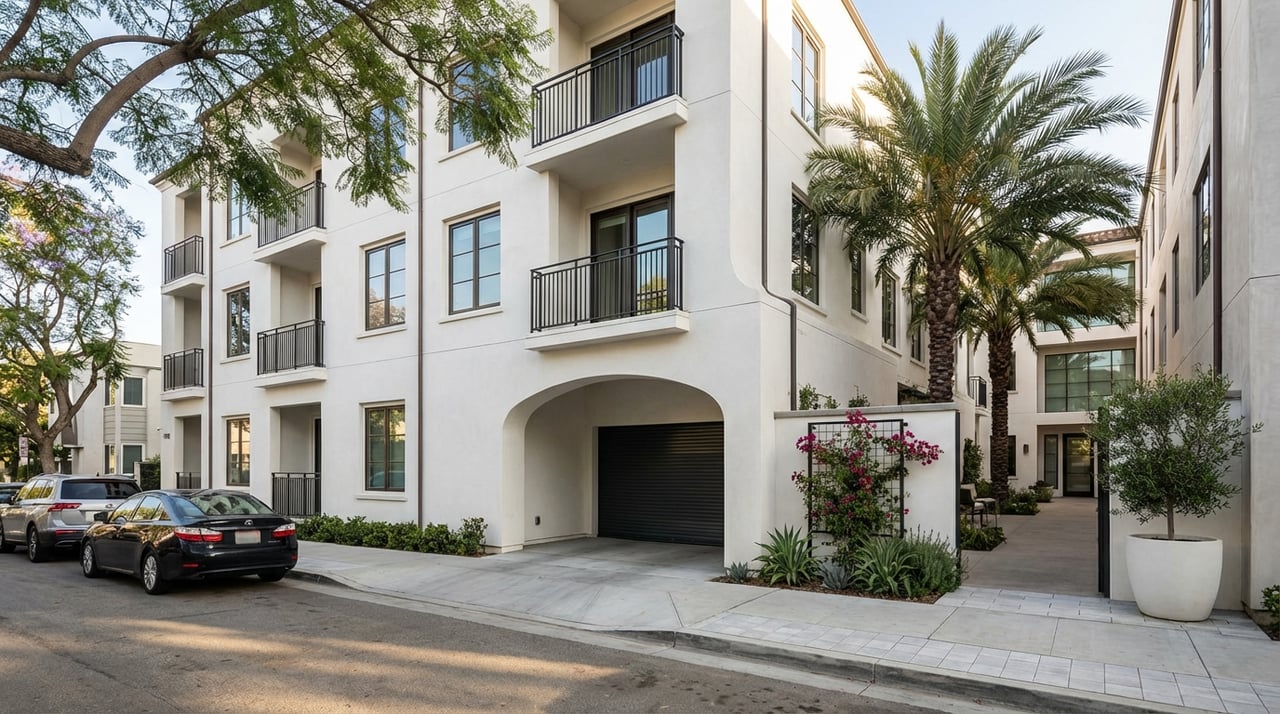
HOAs are common across these communities. In single-family planned neighborhoods, the HOA or master association usually manages common landscaping, gated entries, and shared amenities. In condo and townhome developments, the association often handles the building exterior, structural and roof maintenance, common-area utilities, and master insurance.
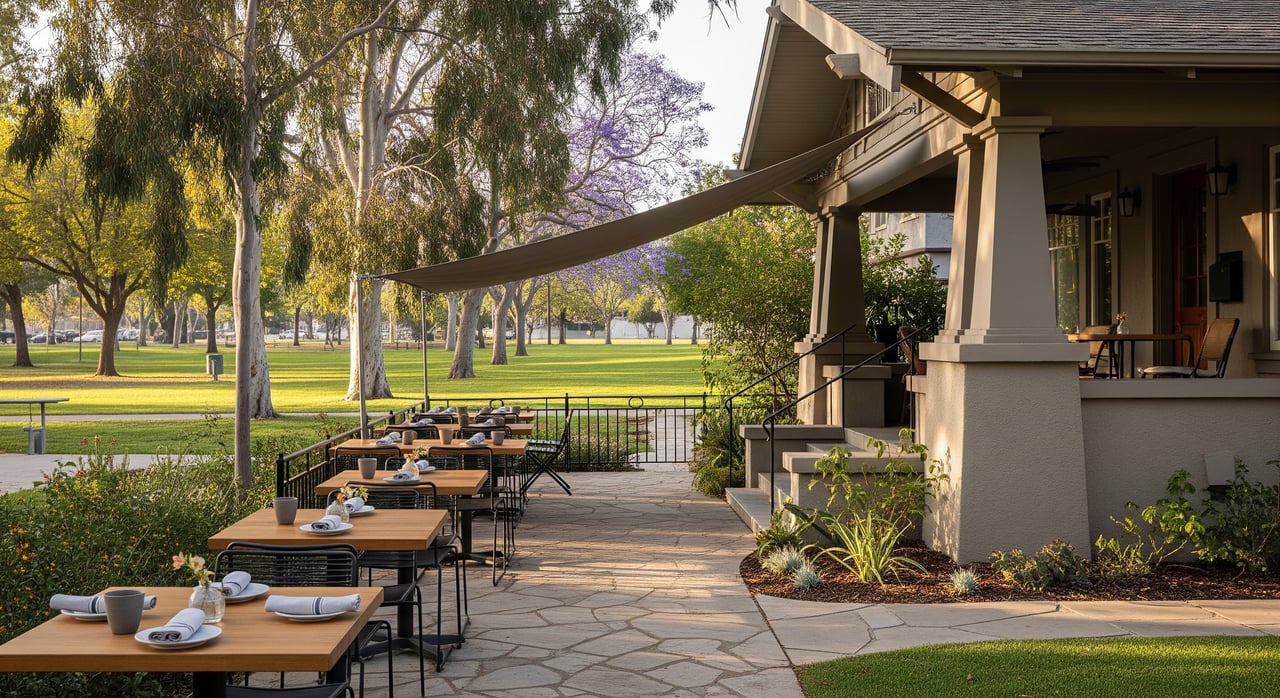
Amenities vary, but many local HOAs maintain pools, spas, clubhouses, landscaped open space, and private streets. Some also coordinate private security or community events.
What HOA fees usually cover
While each HOA is unique, dues commonly pay for:
- Common area upkeep, including landscaping, irrigation, and pool or clubhouse maintenance.
- Master insurance for common areas and, in many condo projects, exterior building coverage.
- Management and administration like bookkeeping, vendor contracts, and legal guidance.
- Community-level utilities such as irrigation water, common-area lighting, and sometimes trash.
- Reserve fund contributions for future big-ticket repairs like roofs, painting, paving, or pool equipment.
- Services that vary by community, including gate maintenance, pest control in common areas, or on-site staff.
When you review a specific HOA, look for a simple breakdown in the budget and recent financial statements. That detail tells you where your money goes and how well the community is planning ahead.
Typical monthly costs in Rancho Bernardo
Dues vary by property type, amenities, age, and the number of homes sharing the same budget. Here are common ranges in the San Diego market to help you plan:
- Condos: about $250 to $750+ per month. Larger amenities and older buildings with extensive systems can land on the higher end.
- Townhomes: about $200 to $600+. Costs depend on whether the HOA covers roofing and exterior maintenance.
- Single-family homes in master-planned neighborhoods: about $75 to $400+ monthly, with higher dues in gated or amenity-rich communities.
Some resort or golf-course communities charge more and may have separate facility or club dues in addition to HOA fees. Treat these figures as guidance. Always verify the current amount for the exact property you are considering.
Rules and documents that shape daily life
Every HOA runs on governing documents that define rights and responsibilities. The most important are:
- CC&Rs: Set the big-picture rules, including architecture standards, use restrictions, and maintenance obligations.
- Bylaws: Outline how the board is elected, meeting rules, and decision-making processes.
- Rules and Regulations: Cover day-to-day items like parking, pets, rentals, noise, and facility use.
Before you commit to a home, make sure the rules fit your lifestyle. For example, confirm pet policies, visitor parking limits, and any rental or age restrictions. Ask how violations and fines are handled so you understand enforcement.
California law and buyer protections
In California, HOAs in common interest developments operate under the Davis-Stirling Common Interest Development Act. The law covers elections, budgets, assessments, reserves, owner records access, dispute procedures, and more.
When you buy a home in an HOA, the seller or HOA must provide a package of disclosures before closing. You should receive the current budget, recent financials, reserve study, meeting minutes, insurance summary, and all governing documents. Any pending litigation or upcoming special assessments must be disclosed as well.
These documents are your window into the association’s health and future costs. Review them carefully, and ask questions if anything is unclear.
How HOAs impact your loan and approval
Lenders include monthly HOA dues when they calculate your debt-to-income ratio. That means dues will affect how much you can borrow. If you are comparing two homes, note the dues difference and how it changes your monthly payment.
For condos especially, some loan programs have project-level requirements. FHA, VA, and many conventional loans check items like owner-occupancy, delinquency rates, reserve funding, and litigation status. If a project does not meet a program’s criteria, certain loans may not be available.
A financially strong HOA with stable dues, adequate reserves, and clean litigation history can make financing smoother and broaden your loan options.
Assessments, reserves, and long-term costs
Your regular monthly dues fund ongoing maintenance and services. Special assessments are separate fees the board may levy for unplanned or large capital projects.
Reserve studies estimate the timing and cost of major repairs, then recommend annual contributions to spread costs fairly over time. Healthy reserves reduce the odds of sudden, large assessments. Thin reserves, aging buildings, or deferred maintenance can indicate higher risk for future fees.
When you review documents, look for a recent reserve study and the percentage of reserves funded relative to recommendations. Also check the history of assessments over the last few years.
Buyer checklist for Rancho Bernardo HOAs
Collect and review these items before you remove contingencies:
- Current budget, recent financial statements, and reserve study with funding policy.
- CC&Rs, Bylaws, and Rules and Regulations.
- Meeting minutes for the past 12 to 24 months.
- Current monthly dues, any planned increases, and any pending special assessments.
- Owner delinquency rate for dues.
- Insurance summary for the master policy and what you must cover personally.
- Management contract and contact information for the management company.
- Disclosure of any pending or recent litigation.
- Rental policies and any occupancy or age restrictions.
Use these documents to confirm the facts, spot trends, and understand your true monthly cost.
Key questions to ask early
- Have there been special assessments in the last 5 years? Why and how much?
- What is the current reserve balance and percent funded relative to recommendations?
- What percentage of owners are delinquent on dues? Are liens or foreclosures pending?
- What major projects are planned in the next 1 to 3 years?
- How does the HOA handle rule enforcement and typical fines?
- Are there pet or rental restrictions that affect your plans?
Clear answers here will help you compare communities and avoid surprises later.
Red flags that deserve attention
- Low or near-zero reserves paired with older buildings.
- High delinquency rates or active litigation that could strain finances.
- Frequent or recent large special assessments.
- Unclear insurance coverage or very high deductibles that could push costs to owners after a loss.
- Very restrictive rental policies if you plan to rent, or policies that could affect project stability.
If you find one or more red flags, consider the long-term cost and risk before moving forward.
Budgeting and negotiation tips
- Include HOA dues in your affordability from day one. Ask your lender to use current dues in your pre-approval.
- Verify which utilities or services are included in dues. Some HOAs include trash or community water.
- If the disclosure package shows weak reserves, recent large assessments, or pending litigation, discuss options with your agent. You might negotiate price, request seller credits, or add contingency language.
- If the community requires separate club or facility dues, factor those into your budget.
A thoughtful review upfront can save you time and money later.
Getting value from HOA amenities
Many Rancho Bernardo buyers accept higher dues in exchange for less personal maintenance and access to amenities. Well-run HOAs can protect curb appeal, provide convenient recreation, and keep shared areas in top shape. That can support desirability and resale value.
The key is balance. Compare dues to what you would spend on comparable services on your own. Look at how often you will use the amenities. Weigh predictability and convenience against monthly cost.
Partner with a local guide
Choosing the right community is more than liking a floor plan. It is about the rules, the numbers, and the long-term plan for the property. If you want help reviewing HOA documents, coordinating with your lender, and negotiating a smart offer, connect with a trusted local expert. Schedule a free, friendly consultation with Gabriela Santiago.
FAQs
What do Rancho Bernardo HOA dues usually include?
- Dues often cover common-area maintenance, master insurance, management, some utilities for shared spaces, and reserve contributions for future repairs.
How much are HOA fees for condos and townhomes in Rancho Bernardo?
- Condos commonly range about $250 to $750+ monthly, and townhomes about $200 to $600+, depending on age, amenities, and what exterior items the HOA maintains.
How do HOA fees affect my mortgage qualification?
- Lenders add monthly HOA dues to your housing costs when calculating debt-to-income, which can reduce the loan amount you qualify for.
What is a reserve study and why does it matter?
- A reserve study estimates the timing and cost of major repairs and guides annual savings; strong reserves lower the risk of special assessments.
What disclosures should I receive before closing in an HOA?
- You should get the budget, financials, reserve study, CC&Rs, rules, recent minutes, insurance summary, current dues, and any notices of litigation or special assessments.
Can HOA rules affect rentals or pets?
- Yes. Many HOAs set rental limits and pet policies. Review the Rules and Regulations and CC&Rs to confirm what is allowed.
Do condo projects need special loan approvals?
- Some programs like FHA and VA have project-level requirements. If a project does not meet them, those loans may not be available.
What are signs of a financially healthy HOA?
- Adequate reserves, stable dues, low delinquency rates, clear budgets, up-to-date maintenance, and no significant unresolved litigation are positive indicators.