If you love Little Italy’s energy, you are not alone. Buying here means more than choosing a great floor plan. You will weigh HOA rules, parking realities, event closures, and rental limits that can shape your day-to-day life and long-term returns. This guide gives you a clear, local playbook so you can buy with confidence and avoid surprises. Let’s dive in.
Little Italy at a glance
Little Italy sits on the northwest edge of Downtown San Diego, framed by the Bay to the west and the I‑5 to the east. It is compact, highly walkable, and known for its restaurant and retail corridor on India Street with quick access to Waterfront Park. Review the city’s community overview for official context and boundaries on the City of San Diego’s Little Italy page.
Compare the pockets
- Piazza and India Street core. Around Date Street and Piazza della Famiglia you will find the highest pedestrian activity, outdoor dining, the Mercato farmers’ market, and frequent events. It is lively and convenient, and you should expect more ambient noise and weekend street closures. Get a sense of weekly happenings on the Little Italy Association site.
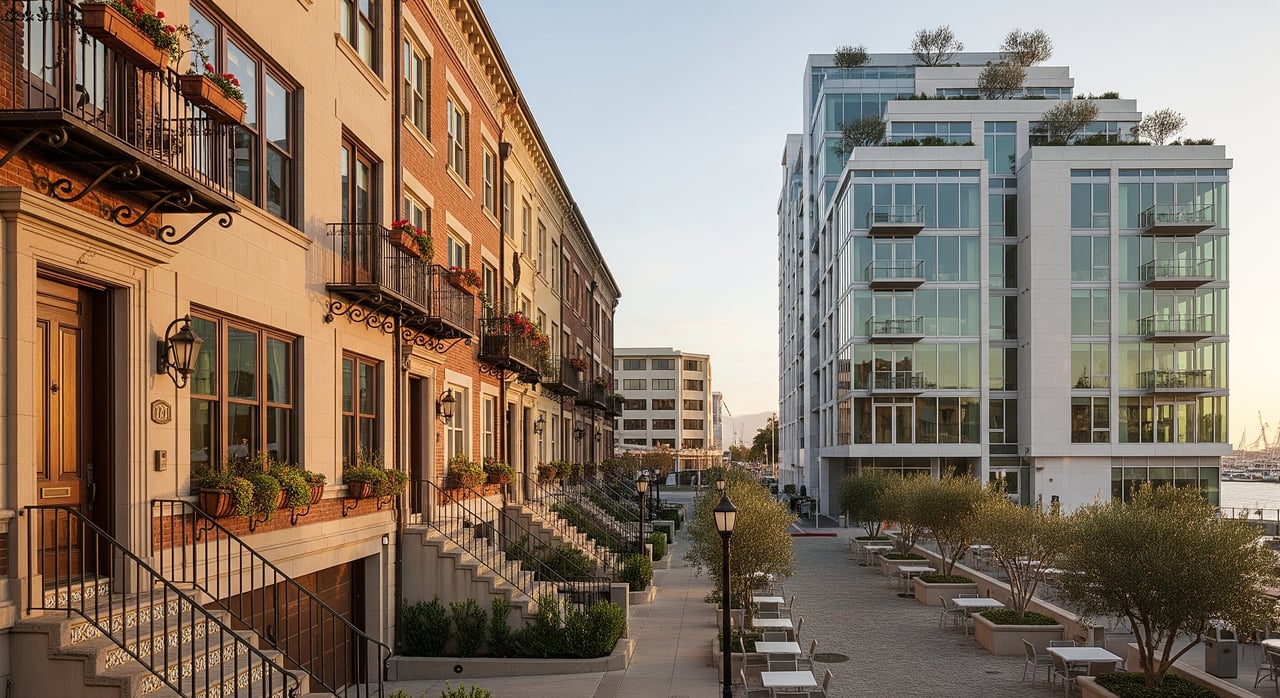
- Waterfront and Front Street edge. Higher-rise buildings often line this edge, offering bay and marina views with quick waterfront access. Prices and amenity packages can trend higher here.
- Interior residential blocks. Union, Columbia, and Kettner offer mid-rise condos and some townhome-style options on quieter streets while staying walkable to India Street. Many listings in these pockets include one or two garage spaces.
- East edge near I‑5. These blocks trade quick freeway access for more traffic and potential noise on lower floors. If you are sensitive to sound, test units at different times of day before you commit.
What you will find in buildings
Condos and lofts dominate Little Italy. Expect mid-rise and some high-rise towers near the waterfront, plus a mix of newer condo projects and converted lofts inland. West-facing units often highlight city lights or bay views.
For market context, recent reports show a median sale price around 650,000 dollars in early 2026, with some listing portals showing median asking prices in the 700,000 to 770,000 dollar range in late 2025. Treat these as directional only and have your agent pull building-level comps from the MLS when you are ready to write.
HOA fees and what they cover
- Typical HOA dues in Little Italy run about 400 to 800 dollars per month in mid-range buildings. Luxury towers or full-amenity properties can be higher, sometimes above 1,200 dollars.
- HOAs commonly include exterior maintenance, trash, master insurance, and often water and sewer. Always confirm inclusions and fee history in the resale packet and estoppel.
Parking norms
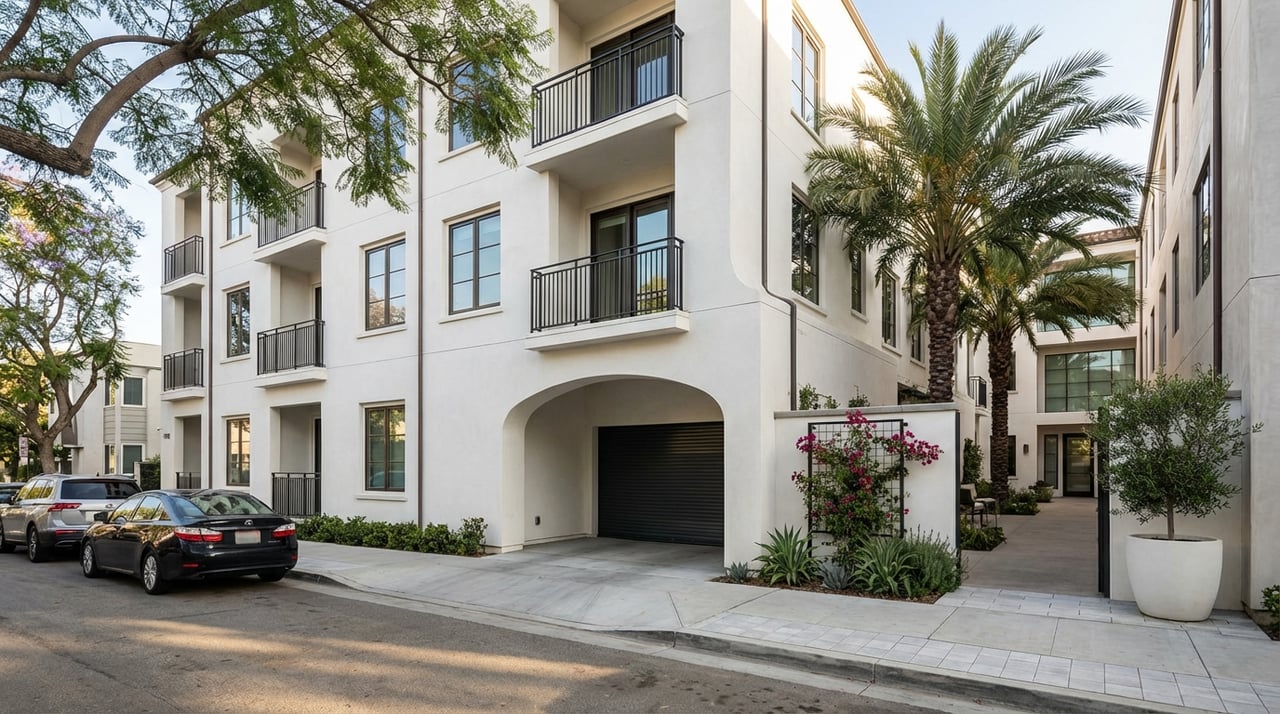
- Many condos include one assigned covered or garage space; two spaces are possible and may be tandem. A few core-street buildings sell units without deeded parking.
- Guest parking can be limited. If you rely on visitors or a second vehicle, confirm guest policies, enforcement hours, and fines in the HOA rules.
- Verify what you are buying. Ask for the deeded stall number, whether spaces are tandem or assigned, and the exact location in the garage before you write.
Parking and getting around
If a unit lacks deeded parking, you will need a backup plan. The Little Italy Association lists nearby public and private garages, typical rates, and monthly options. Use their neighborhood parking directory to map your daily routine and guest plan.
On certain blocks, on-street parking is controlled by the city’s Residential Permit Parking program. Where posted, you will need a permit during enforcement hours. Check the City of San Diego’s Residential Permit Parking page to see how rules affect your specific street and visitor parking.
Pro tip: Do a real test before you commit. Park in your target area on a Saturday morning, a weekday evening, and a weekday midday. If the routine feels stressful during those checks, it will likely feel the same after closing.
Events, closures, and daily noise
Little Italy’s weekly Mercato and seasonal festivals are a big part of the neighborhood’s appeal. They also close streets, increase foot traffic, and raise daytime noise around the Piazza and Date Street. Visit on a market day and a quiet weekday evening to make sure the vibe matches your lifestyle. For event cadence and neighborhood context, browse the Little Italy Association.
Rules that affect rentals and resales
If rental income matters to you, review both city and HOA rules early.
- Short-term rentals. The City of San Diego requires a Short-Term Residential Occupancy license for stays under one month. Understand license tiers, fees, and enforcement on the city’s STRO program page. If you plan to host short stays, confirm the property’s eligibility and whether the HOA allows it.
- HOA rental limits. Under California’s Davis-Stirling framework, HOAs can regulate short-term rentals and may cap rental percentages, but there are limits on retroactive enforcement. A helpful legal overview is available here: Can your HOA regulate short-term rentals in California. Always verify the current CC&Rs and rules in writing.
- Resale packets and estoppels. In California, sellers or associations must deliver a resale disclosure package with budgets, reserve summaries, insurance, and rules. Associations follow statutory timelines for document production, so request the packet early in escrow. See a plain-language summary of expectations here: Resale disclosures and timelines.
What to confirm if renting is part of your plan:
- Whether CC&Rs allow rentals, any caps, and minimum lease terms.
- Whether the building has proposed changes to rental rules in recent minutes.
- Whether the unit has or needs an STRO license for short stays and if the building allows whole-home short-term rentals.
Your pre-tour checklist
Do these quick checks before you schedule showings.
- Listing basics. Confirm square footage, HOA fee, included fixtures, storage, and number of deeded parking spaces. Flag any missing parking data.
- Comps. Ask for recent building and block-level sales from the MLS so you understand price per square foot and time on market.
- Permit history. Use the city’s new Permit Finder tool to spot remodels, mechanical parking work, or code issues. See an overview of the tool in this Times of San Diego article.
- Taxes and parcel facts. Verify the APN and tax history with county records, and confirm any unusual lot or parcel notes.
- Environmental risk. Review listing environmental overlays and flood maps if waterfront proximity matters to you.
- Parking options. If the unit lacks parking, study the Little Italy parking directory and price a monthly plan you can live with.
On-the-ground checks during showings
Walk the block at three times: weekday midday, weekday evening, and Saturday morning. Listen for highway noise, restaurant activity, deliveries, and echo from courtyards. Note loading zones, restaurant patios, and event staging areas.
Inside the building, ask the manager or concierge:
- Total unit count and approximate owner-occupancy percentage.
- Reserve strength, any planned special assessments, and active projects.
- How guest parking works and how fines are enforced.
During the tour, test phone reception, run faucets and showers, and step onto balconies to judge privacy and sightlines. Measure the parking stall if you drive a larger vehicle. Get any verbal claims about parking or repairs put in writing.
Timeline and offer strategy
Most financed condo purchases in San Diego close in about 30 to 45 days after acceptance. Cash can move faster, but you still need time for title and HOA document review. Build a buffer for HOA estoppel production and any permit clarification that surfaces during due diligence.
If you love a unit in a high-activity pocket, sweeten the offer by confirming a clean HOA profile early. Ask the seller’s side for the most recent reserve study summary and board minutes, then tailor timelines so you can review the full resale packet without rushing.
Red flags worth a pause
- No deeded parking when nearby buildings typically include it, or off-site monthly parking that is unusually expensive or inconvenient compared to local options.
- Low reserves, recent special assessments, or active litigation in the HOA packet.
- Unpermitted structural work or a pattern of code issues in Permit Finder.
- Unclear rental permissions, missing STRO license where needed, or HOA rules that conflict with your investment plan.
Work with a local guide
Buying in Little Italy is about fit. The right block, amenity mix, and parking setup can make all the difference in your daily routine and long-term value. If you want a calm, step-by-step process with strong neighborhood insight and bilingual support, reach out. Schedule a free consultation with Gabriela Santiago to map your goals, compare buildings, and tour the right homes with confidence.
FAQs
What should I know about Little Italy’s layout before buying?
- Little Italy is compact and walkable, with a lively India Street core and quieter residential blocks nearby; review the city’s official page to match streets to your lifestyle.
How much are typical HOA dues for Little Italy condos?
- Many buildings range from about 400 to 800 dollars per month, with luxury towers higher; always confirm current dues and inclusions in the resale packet.
Is street parking realistic if my unit has one garage space?
- It depends on your block; some areas use Residential Permit Parking with posted enforcement, so plan for permits and consider a monthly garage option for a second car.
Do events and the Mercato affect daily life near the Piazza?
- Yes; market days and festivals add foot traffic, noise, and temporary closures, which many love; visit at multiple times to confirm the vibe suits you.
Can I run an Airbnb in a Little Italy condo?
- Short stays under one month require a city STRO license and your HOA must allow it; verify CC&Rs, any rental caps, and whether licenses are available before you buy.
How long does it usually take to close on a condo here?
- Financed purchases commonly take about 30 to 45 days after acceptance, with extra time for HOA documents and any permit follow-up.