Love the idea of tree-lined streets, a cozy café routine, and Balboa Park just steps away? If you’re drawn to character homes and a small-village feel, South Park could be your perfect match. You want a clear picture before you commit, from housing styles to commute options and what weekends really feel like. This guide walks you through daily life, home types, price dynamics, and practical tips for buying or selling in South Park. Let’s dive in.
Where South Park sits and its vibe
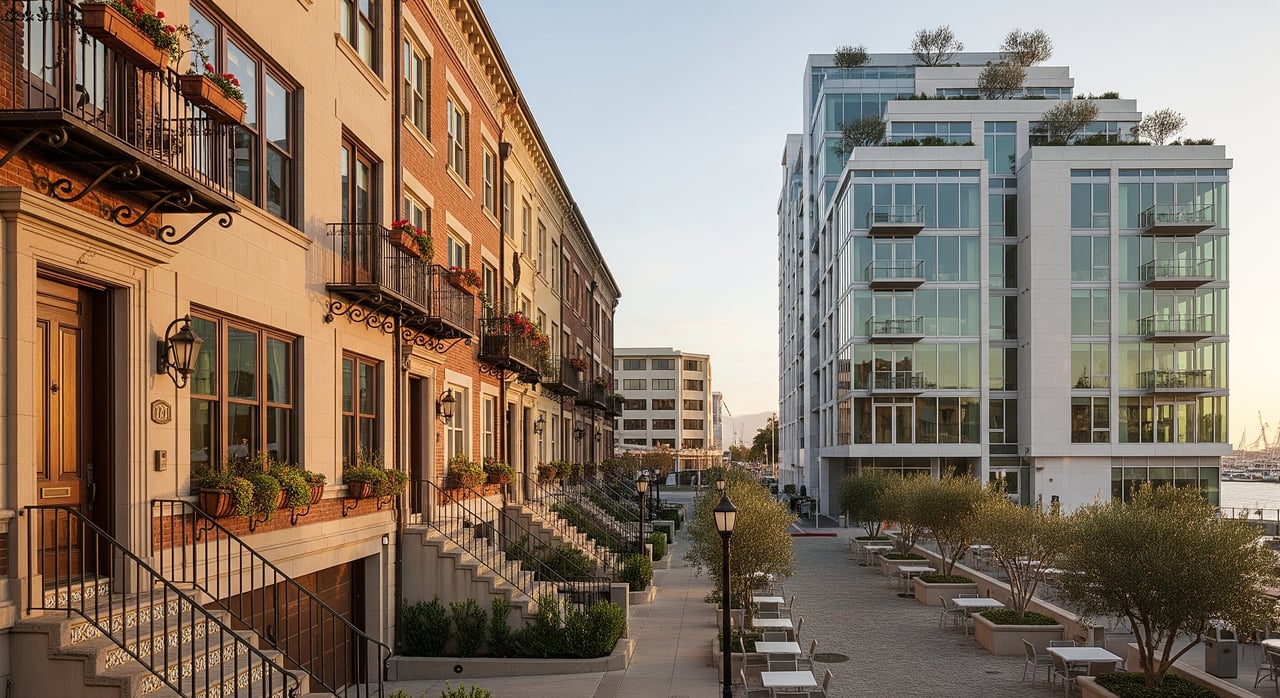
South Park borders the southern edge of Balboa Park in central San Diego. You can get to park trails, gardens, and cultural spots with a short walk or quick drive. The neighborhood is compact and low-rise, with a walkable commercial corridor rather than a high-density urban core. The result is a village feel with a strong sense of community.
Homes and architecture
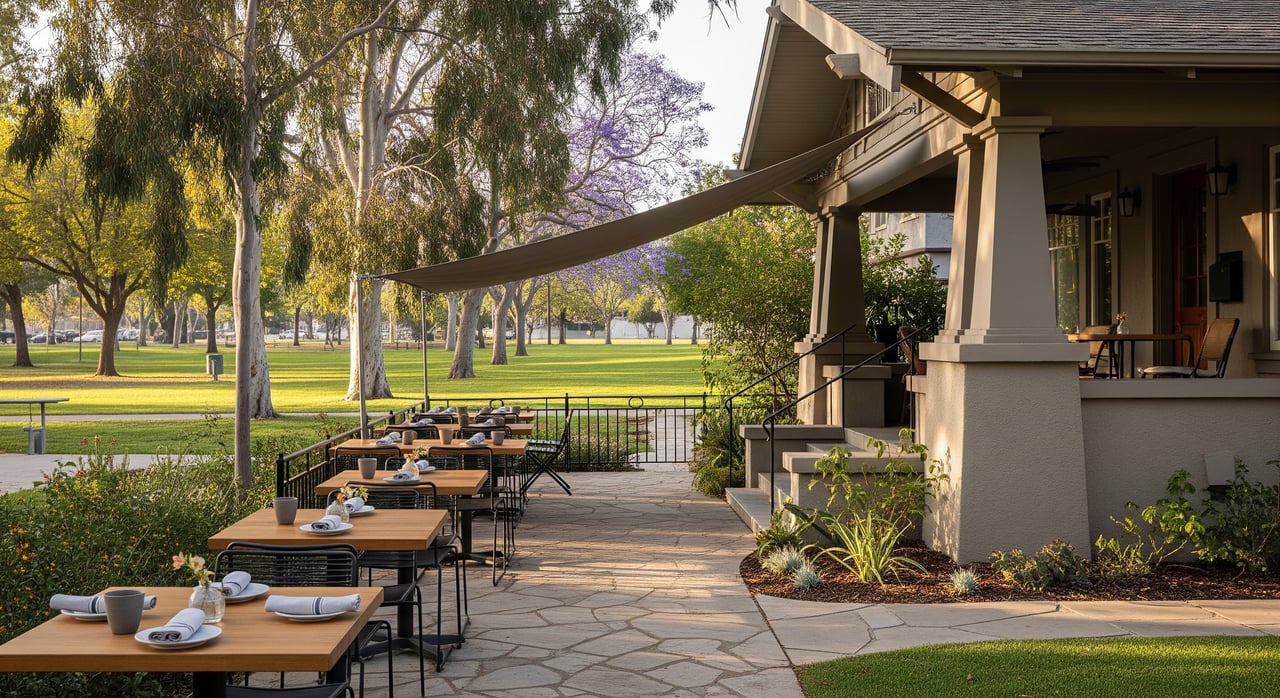
South Park is known for early-20th-century architecture. You’ll find many Craftsman and California bungalows, along with small cottages and modest two-story homes. Scattered duplexes and small multifamily buildings add variety, and newer infill condos or townhomes show up in pockets.
Craftsman bungalows and cottages
Most homes sit on smaller city lots and offer practical indoor-outdoor living. Interiors are often cozy compared with newer construction. Because many properties are older, you’ll see a range of conditions, from fully restored to ready for updates.
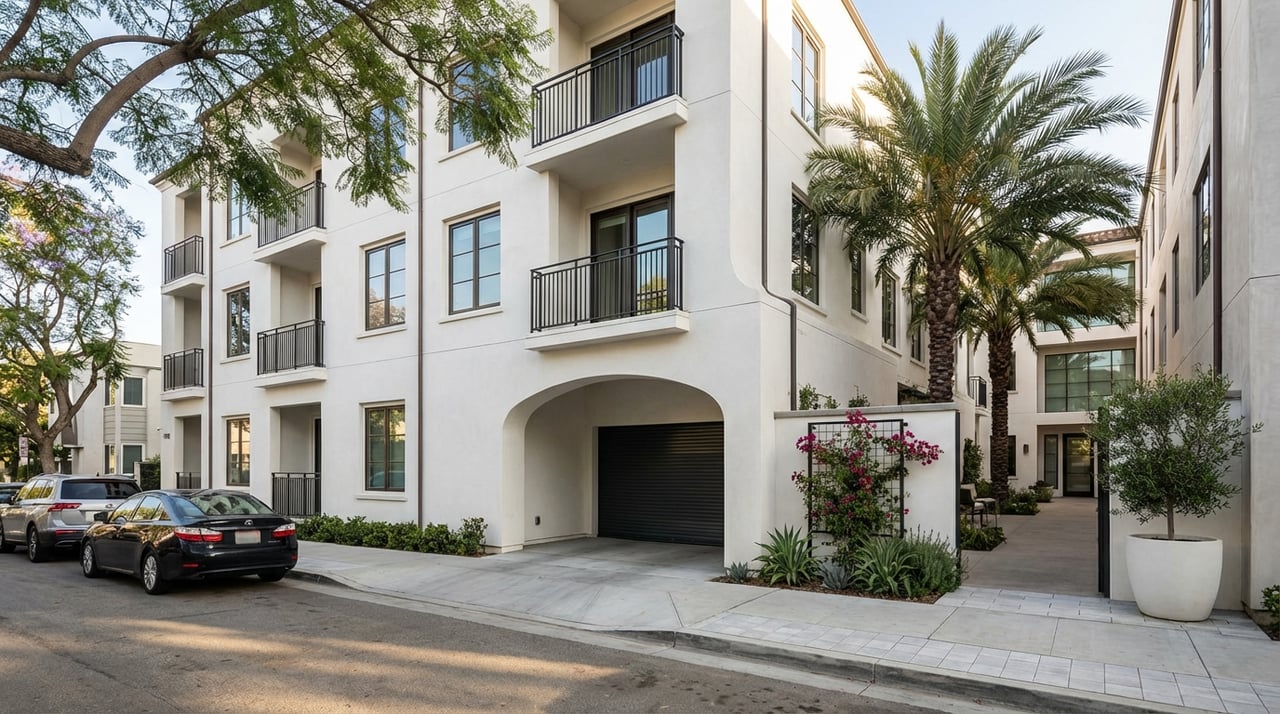
Condos, townhomes, and small multifamily
While single-family homes define the area, a limited number of newer townhomes and condos are available. These can offer a lower-maintenance option and may include designated parking. Small multifamily buildings exist on select blocks and can appeal to investors or house-hackers.
What to inspect in older homes
When you tour, pay close attention to:
- Roof, foundation, and any signs of settlement
- Plumbing and electrical systems that may be original or partially updated
- Termite and dry rot, a common coastal concern
- Insulation, HVAC, windows, and energy upgrades
- Permits and records for past renovations
Daily life: cafés, shops, and the park
South Park’s commercial corridor emphasizes independent cafés, restaurants, and boutiques. That makes it easy to start your day with coffee, walk the dog on leafy streets, and unwind at a neighborhood spot in the evening. Balboa Park adds a major lifestyle perk with wide green spaces, gardens, museums, and playgrounds within easy reach.
Weekday and weekend rhythm
On weekdays, many residents grab coffee, commute by car, bus, or bike, and plan a quick park loop after work. Weekends often mean brunch, browsing local shops, and heading into Balboa Park for a run or a museum visit. Nearby North Park and Golden Hill expand your dining and nightlife choices within a short trip.
Park access and recreation
Living so close to Balboa Park means convenient access to trails and open space. Explore programs, events, and attractions through the main park site at the Balboa Park website.
Getting around
South Park is one of San Diego’s more walkable neighborhoods. Many daily errands are doable on foot or by bike, and the topography is generally gentle.
Transit and driving
San Diego MTS bus service runs along the main corridors and connects to downtown and other hubs. Check routes and schedules with the San Diego Metropolitan Transit System. Driving to downtown typically takes about 10 to 20 minutes depending on traffic and time of day, while other employment centers can take longer.
Parking realities
Street parking is common, especially around busier blocks. Some older homes lack garages or have narrow driveways. Newer developments may include designated parking, so confirm details when you tour.
Market feel and what to expect
South Park stays in demand because of location, walkability, and historic charm. Inventory is limited, which can lead to competition for move-in-ready single-family homes. Pricing varies based on lot size, renovation quality, off-street parking, and proximity to amenities.
What drives value
- Thoughtful, permitted renovations that respect historic character
- Functional layouts, updated systems, and outdoor living space
- Off-street parking or garage space
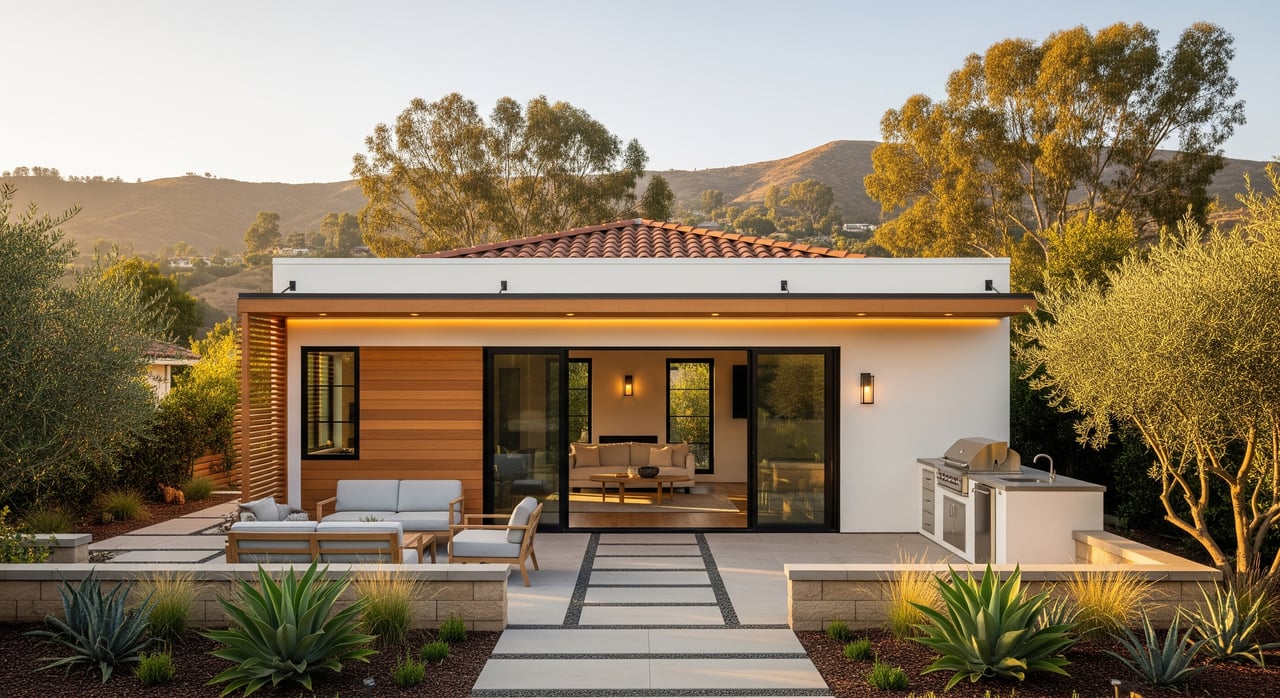
- ADU potential for added flexibility or income
Remodeling, ADUs, and historic context
Portions of South Park have recognized historic character, and some blocks may be subject to design guidelines. Before you plan a renovation, verify any local historic or overlay rules with the City of San Diego Planning Department. California ADU laws apply citywide, and many parcels have space for an accessory unit. For requirements and permitting, start with city planning resources.
Schools and community resources
The neighborhood is served by public and private schools in the surrounding area. School assignments can change, so review current boundary maps and programs directly with the San Diego Unified School District. Community groups and neighborhood associations are active on local issues and events, which helps maintain a connected feel.
Who South Park fits
If you value a close-knit, walkable area with unique homes and quick access to Balboa Park, South Park is worth a look. You’ll appreciate the local business scene and low-rise streetscape. If you prefer large lots, new construction, or plentiful off-street parking, you may want to compare options nearby.
Nearby alternatives
If South Park stretches your budget or inventory is tight, consider North Park or Golden Hill. They offer a similar central location with varied housing types and plenty of dining and shopping. Both are close to South Park and share easy access to Balboa Park and downtown.
Tips for buyers
- Get inspections focused on older-home systems, including wood-destroying pest reports
- Verify permits for any major updates and check historic-review needs before planning changes
- Weigh parking, storage, and ADU potential based on your goals
- If you rely on transit, confirm specific MTS routes and schedule frequency
Tips for sellers
- Highlight proximity to Balboa Park, cafés, and walkability in your marketing
- Present the home with historically sympathetic staging and clear documentation of permitted work
- Address known issues upfront and provide thorough disclosures
- Consider light updates that improve first impressions, such as curb appeal and minor repairs
Is South Park right for you?
South Park blends bungalow charm with everyday convenience and a strong connection to Balboa Park. If that mix suits your lifestyle, the next step is seeing homes that fit your budget and priorities. For a neighborhood tour, pricing snapshot, and a plan tailored to you, connect with Gabriela Santiago. You’ll get responsive, bilingual guidance and premium support from search to closing.
FAQs
What is it like living near Balboa Park in South Park?
- You get quick access to trails, gardens, museums, and open space for daily walks and weekend outings, all within a short walk or drive.
What home styles dominate in South Park?
- You’ll see many Craftsman and California bungalows, plus small cottages, modest two-story homes, and a limited number of townhomes and condos.
How is the commute and transit from South Park?
- Downtown is often a 10 to 20 minute drive depending on traffic, and MTS buses connect the neighborhood to central hubs, though there is no on-site trolley stop.
Are there historic-preservation rules that affect remodeling?
- Portions of the neighborhood may have design guidelines; confirm what applies to your property with the City of San Diego Planning Department.
Can I add an ADU to a South Park property?
- Many parcels allow ADUs under California rules; review local permitting and standards with city planning before you design or build.
How competitive is the South Park housing market?
- Inventory is limited and demand is steady, so well-priced, move-in-ready homes can attract strong interest.
What nearby neighborhoods should I consider if South Park is out of budget?
- North Park and Golden Hill offer similar central locations with a broader range of housing types and price points.